An earbud is a tiny speaker firing into a closed chamber. If the chamber leaks, the low frequencies escape first and the result is the thin, distant sound people describe as "bad bass". Before you blame the driver, the codec, or the price, check the seal. It is the cheapest upgrade in audio.
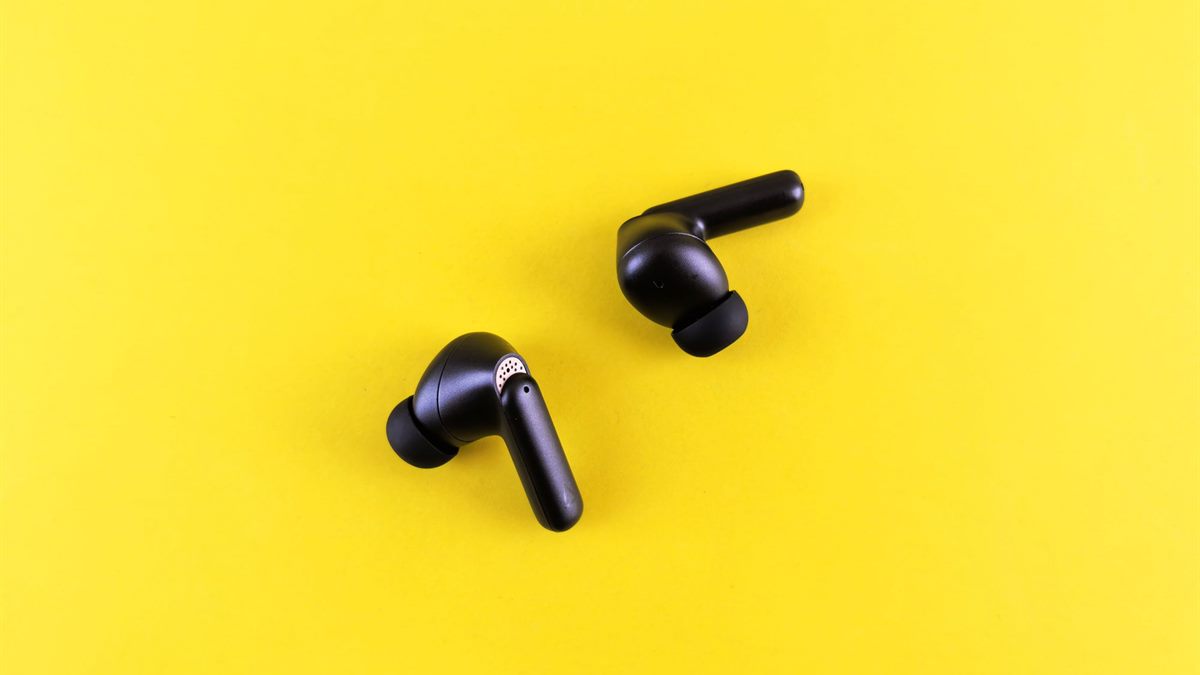
The seal is the first filter
A silicone tip has to do two jobs: sit comfortably and close the ear canal. When it seals, the earbud can move air efficiently and the bass arrives at the level the tuning intended. When it leaks, you hear the midrange and treble, and the bass is replaced by the sound of the room.
Noise cancelling depends on the same seal. The microphones can remove steady noise, but they cannot fix a leak that lets voices and traffic in around the tip. A poor fit makes active noise cancelling feel weak even when the hardware is working correctly.
Try every tip size before blaming the driver
Most earbuds ship with three sizes, and most people keep the ones that were already attached. That is a guess, not a fit. Try each size in both ears, even if the sizes differ between ears. Start with the medium, then move up or down one step and listen to the same track with a steady bass line.
Foam tips behave differently from silicone. They expand to fill the canal and often seal better for irregular shapes, at the cost of a little high-frequency energy and more frequent replacement. If the box includes both, test them before buying a third-party set.
How to test a seal in ten seconds
Play a familiar song and cup your hands lightly over both ears. If the bass gets noticeably louder, the tips are leaking. Then try a gentle hum; a sealed earbud makes the hum feel louder inside your head. Finally, wiggle your jaw and turn your head. A tip that breaks the seal when you move will do the same on a walk.
Insertion angle matters as much as size. Pull the ear gently up and back, slide the earbud in, and let it settle. Do not jam it deeper to force a seal; discomfort means the size or shape is wrong, and a sore canal is not a tuning preference.
Volume, noise cancelling, and the 60/60 habit
A good seal lets you listen at a lower volume because you are not competing with the room. That is the practical benefit behind the common 60/60 guidance: keep the level around 60 percent for no more than 60 minutes at a time, then give your ears a break. The exact number is a rule of thumb, not a medical prescription, but the direction is right.
Noise cancelling helps here. When the environment is quieter, you turn the music down. The World Health Organization publishes listening-safety guidance and notes that prolonged exposure to loud sound damages hearing permanently, so the habit is worth building early. If you want the source, see the WHO hearing-loss fact sheet.
When a bad fit is actually a broken bud
Swap the earbuds between ears. If the quiet side stays quiet, the problem is the earbud or the tip; if the problem moves with your ear, the fit is the cause. Clean the mesh screen with a dry soft brush, because earwax and dust can block the nozzle and mimic a driver failure.
If the seal is good, the volume is balanced, and one side still distorts, test it with another source. A crackle that appears on every device is a hardware fault; a crackle that appears only on one app is a software or connection problem.
Earbud fit checklist
- Test both ears separately with more than one tip size.
- Use the hand-cup test to confirm the seal, then move your jaw.
- Clean the nozzle mesh before assuming the driver is dead.
- Lower the volume when the room is loud and let noise cancelling work.
- Replace worn foam tips instead of pushing them deeper.
Once the fit is right, the next variable is the wireless link. The codec decides how much data reaches the earbud, and that is covered in Bluetooth codecs explained.
Frequently asked questions
Do earbud tips really change the sound?
Yes. A sealed tip preserves low frequencies and improves noise isolation. A loose tip lets bass escape and makes the earbud sound thin, even when the driver and tuning are unchanged.
Should both ears use the same tip size?
Not necessarily. Ear canals often differ. Test each ear independently and use the size that seals comfortably on that side, even if the sizes are different.
Are foam tips better than silicone?
Foam can seal better for irregular ear shapes and is comfortable for long sessions, but it wears out faster and can soften the highest frequencies. Silicone is more durable and easier to clean.
Can noise cancelling make earbuds safer?
It can help you listen at a lower volume by reducing background noise. It does not make loud listening safe, and it should not replace breaks or the volume limit you set on the device.
Read next
Bluetooth Codecs: What Actually Changes the Sound
A codec decides how audio is squeezed for the Bluetooth link. It matters, but not as much as the fit, the source, and whether both ends support it.