The drawer full of chargers exists because every device once shipped with its own brick. USB-C was supposed to end that, and mostly it has. The catch is that not every USB-C charger speaks the same language or offers the same wattage on every port.
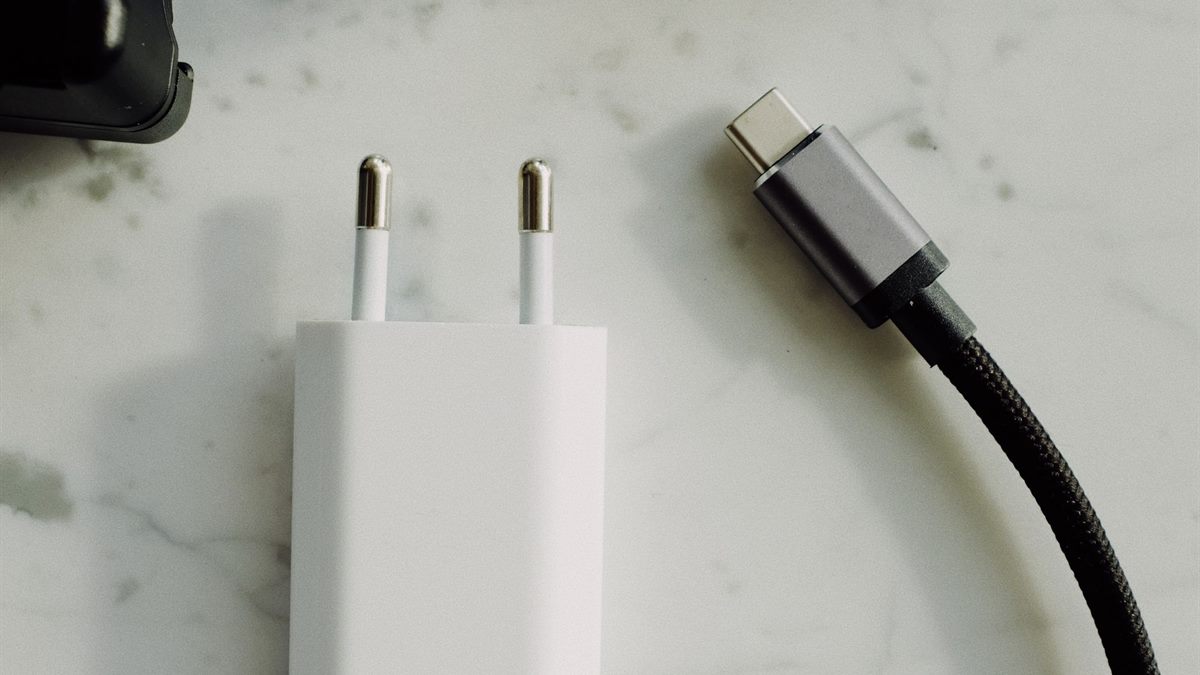
Match wattage to the hungriest device
Find the highest wattage your devices accept. A phone may take 20 to 45 W, a tablet 30 to 45 W, and a thin laptop 45 to 65 W. A charger should meet or exceed the largest number, not the average, because the laptop will charge slowly or not at all if the supply is too small.
Larger is not automatically better for every device. The device requests what it needs, and a compliant charger supplies only that. A 100 W charger will not force 100 W into a phone; it simply has the headroom to run a laptop later.
USB Power Delivery is the protocol to look for
USB Power Delivery is the standard that lets a charger and a device negotiate voltage and current over USB-C. Look for the PD marking and the supported profiles. For many recent phones and tablets, Programmable Power Supply support also matters because it allows finer voltage steps during fast charging.
The USB Implementers Forum publishes the charger specification at usb.org. A charger that only says "fast charge" without a standard profile is a guess, especially at high wattage.
Check the cable, not just the brick
A cable has its own rating. A thin cable sold with a low-power accessory may carry 3 A and cap the link at a lower wattage, no matter what the charger can deliver. For laptops, use a cable rated for the wattage you need, and prefer a reputable brand with an e-marker chip where the standard requires one.
Cable length and connector quality also affect heat. A cable that gets warm at the plug under a laptop load is a sign to replace it. Do not keep using a damaged cable because the device still charges; the failure mode is usually the port, not the cable.
Multi-port chargers share their budget
A 65 W charger with two ports rarely gives 65 W to both. The total is shared, and the split is printed on the charger or in the manual. Plugging in a laptop and a phone may leave the laptop at 45 W and the phone at 20 W, which is fine for the phone and slow for the laptop.
Decide which device must charge fastest and use the port that delivers the full output. If you routinely charge a laptop and a tablet together, buy a charger whose combined budget covers both, not one whose headline number only applies with a single cable attached.
Skip the unknown brand
A charger connects mains power to a device you carry every day. Certification marks, a real manufacturer address, and a consistent model number are not marketing decoration. Unknown high-wattage bricks are the wrong place to save ten dollars.
Gallium nitride chargers are smaller and run cooler than older designs, but the chemistry is not a safety guarantee on its own. The same rules apply: known brand, correct rating, and a cable that matches.
Charger buying checklist
- Start from the highest wattage any device accepts.
- Confirm USB Power Delivery and the profiles you need.
- Read the per-port output table on multi-port models.
- Use a cable rated for the same wattage as the charger.
- Prefer certified brands over unbranded high-wattage bargains.
Once the charger is chosen, the travel companion is the next decision. The rules for carrying a battery in a cabin bag are covered in power bank travel rules.
Frequently asked questions
Will a 100 W charger damage my phone?
No, if the charger and phone follow USB Power Delivery. The phone requests the voltage and current it supports, and a compliant charger supplies that rather than its maximum.
Do I need a special cable for fast charging?
Yes for higher wattages. The cable must support the current and, where required, carry an e-marker chip. A low-rated cable can limit charging speed even with a powerful charger.
Why does my laptop charge slowly with a multi-port charger?
The charger shares its total output across the connected ports. Check the per-port table; the laptop may be receiving a reduced share while another device is plugged in.
Is GaN better than a normal charger?
GaN designs are often smaller and more efficient, but efficiency and safety still depend on the implementation. Buy a certified model with the right profile rather than choosing by material alone.
Read next
Power Bank Rules for Flights and Daily Carry
A power bank is judged by watt-hours, not the number on the box. Know the cabin limit, carry it with you, and budget for conversion losses.